What drives the lift choice in Baton Rouge
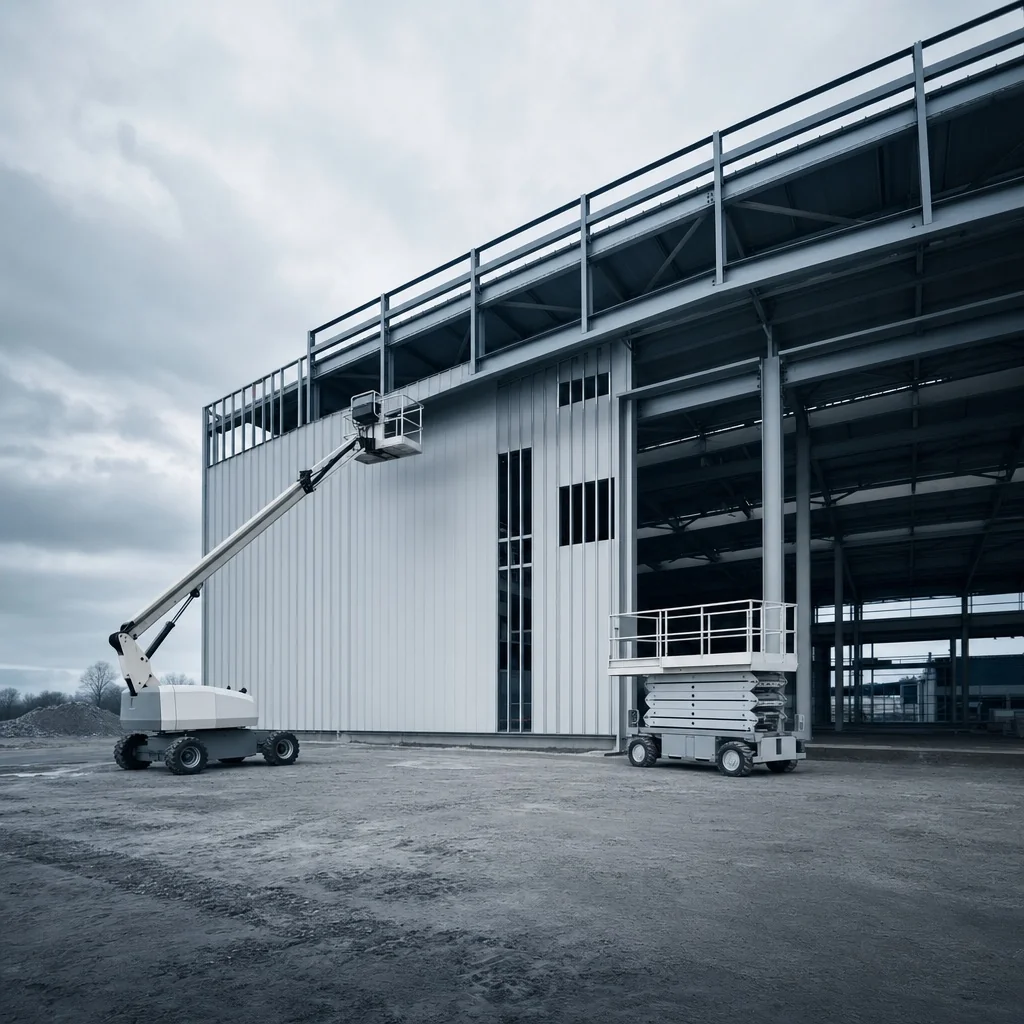
Start with the job geometry. Can the machine sit below the task, or must it reach over process lines, piping, or mezzanines? Straight-up access leans toward scissor lifts; obstacles or recessed targets often push the discussion to articulating or telescopic booms.
The regional climate adds two constraints: - High humidity and heat concentrate wear on electric systems and batteries inside warehouses. - Rain and level terraces can leave soils saturated at industrial sites, favoring rough-terrain platforms with higher ground clearance and traction.
Electric vs. rough-terrain scissor thinking
In local distribution buildings and fabrication bays, electric scissor lifts minimize emissions and noise, but battery runtime and charger access become planning items. Outdoors, maintenance crews working around laydown yards or waterfront facilities often need rough-terrain scissor lifts for gradeability and deck space. When ground conditions are soft, weight per square foot and tire type affect whether the unit can stage safely and efficiently under site procedures.
When a scissor isn’t the whole answer
If the work requires reaching over conveyors, tankage, or racking, boom lifts provide the positioning flexibility. Articulating booms handle up-and-over geometry; telescopic models suit long, straight outreach. For tight aisles or low-ceiling approaches, vertical mast lifts can reduce footprint while still addressing modest heights.
How this site is organized
- Scissor lift categories: /electric-scissor-lift-rental/ and /rough-terrain-scissor-lift-rental/
- Other aerial access: /aerial-lift-rental/, /boom-lift-rental/, /articulating-boom-lift-rental/, /telescopic-boom-lift-rental/, /vertical-mast-lift-rental/
- Support gear and logistics: /telehandler-rental/, /forklift-rental/, /generators-light-towers-rental/, /storage-containers-rental/, /temporary-fencing-barricades-rental/
- Company info: /about/ and /contact/
Actual site conditions, the selected unit’s instructions, and facility procedures govern elevated work. The pages here emphasize the Baton Rouge environment and access patterns so planners can specify capacity, platform size, and terrain capability aligned to real constraints.