Fit the platform to the interior geometry
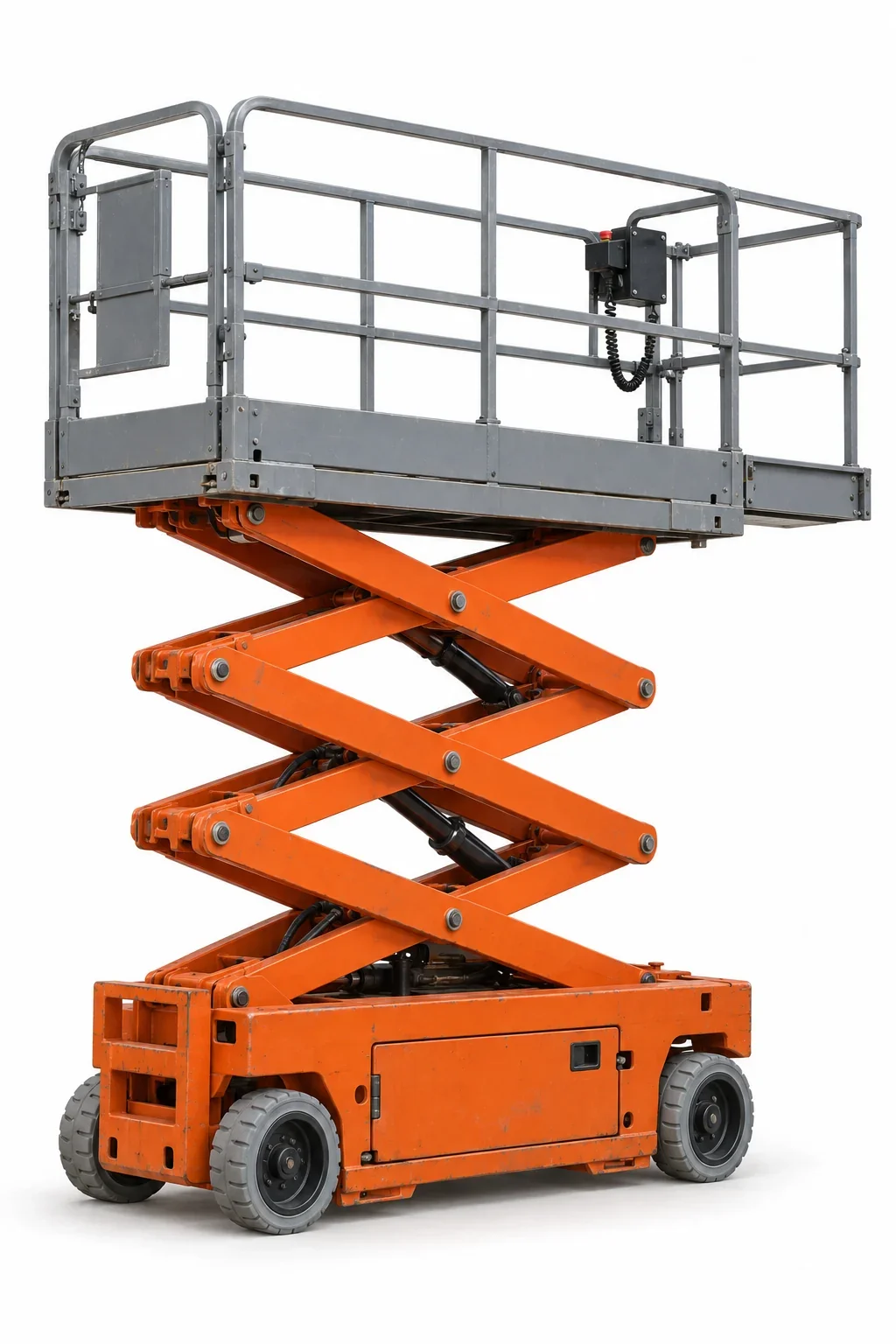
For work that sits directly overhead—lighting, duct runs, sprinkler heads, or signage—scissor lifts provide vertical reach within a compact footprint. Before comparing models, confirm: - Door and elevator clearances from staging to work area - Aisle widths between racks or equipment lines - Floor load ratings on mezzanines or older slabs - Required platform height versus ceiling obstacles like trusses and piping
If the platform cannot sit under the task due to conveyors or machinery, an articulating boom may be more effective. See aerial lift rental to compare categories.
Baton Rouge climate and electric performance
High humidity and heat place extra thermal stress on batteries and control systems. That can shorten practical runtime and extend necessary cool‑down before charging. In local distribution buildings with long picking aisles, plan for: - Realistic duty cycles rather than ideal lab runtimes - Staged charging with adequate ventilation access - Short travel distances between work zones to conserve charge
Tires, surfaces, and clean operations
Electric scissor lifts are built for finished floors. Non‑marking tires and tight turning radius protect polished concrete and tile in retail or office buildouts. Where construction dust is present, confirm housekeeping to keep sensors and chargers clean.
When a different lift makes sense
If ceiling access requires up‑and‑over reach around mezzanines or equipment, compare boom lift rental. For exterior maintenance or any area with soft or uneven ground, move to rough terrain scissor lifts.
Call (225) 831-7966 to align platform height and footprint with your interior path of travel in Baton Rouge facilities.