Articulating vs. telescopic: the core decision
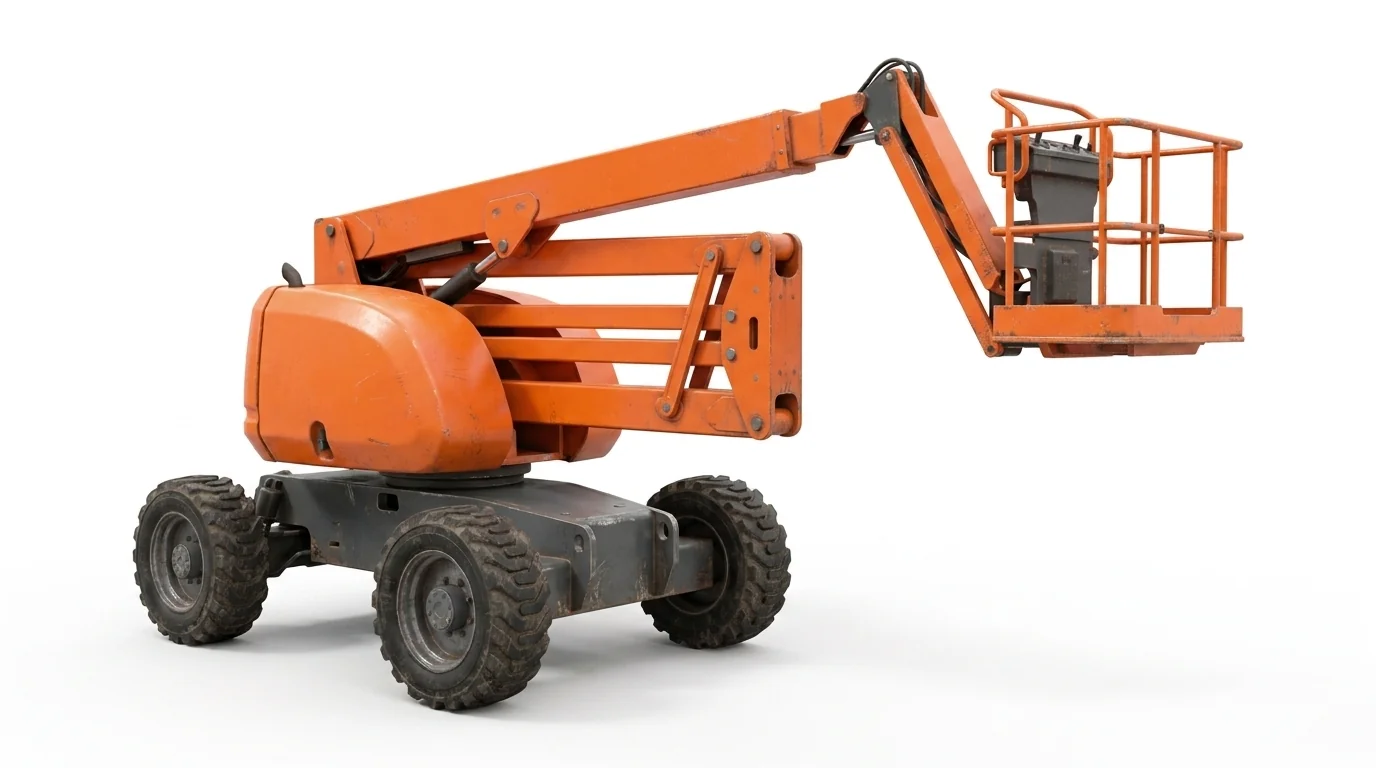
- Articulating boom lifts navigate up‑and‑over routes around structures, making them useful near equipment lines, mezzanines, and irregular façades.
- Telescopic (straight) boom lifts provide longer horizontal reach for tasks across open pads, laydown yards, and setbacks where alignment is clean.
Sketch the obstacle path: Are there overhead obstructions that require articulation, or is the approach line clear enough for a straight boom? That geometry dictates category before height.
Surface and climate factors in Baton Rouge
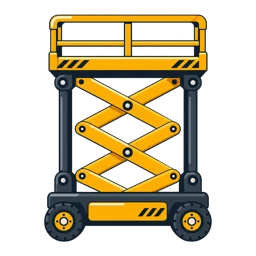
Unfinished sites can be slick after rain. Rough‑terrain features are common on outdoor booms to manage ruts and wet patches. The regional climate’s heat and humidity raise thermal load on engines and hydraulics; realistic duty cycles and shaded staging improve uptime. Interior segments of a project may still require a separate electric scissor for narrow aisles or low emissions.
Height, outreach, and positioning
Confirm setback distance from safe machine position to the work face. Telescopic booms handle long, direct reaches; articulating booms excel when you must go up, then over, then in. If vertical‑only access is possible directly beneath the task, a scissor lift may be simpler and more compact.
Typical local applications
- Exterior maintenance along façades with irregular geometry
- Work over pipe racks or conveyors where a straight approach is blocked
- Yard lighting, signage, or structure work across open pads
For mixed sites, pairing an articulating boom for complex zones with a telescopic unit for long straight reaches can reduce repositioning.
Call (225) 831-7966 to discuss geometry, surface conditions, and reach needs for Baton Rouge projects.