Start with the geometry: can the machine sit below the task and swing around the obstruction?
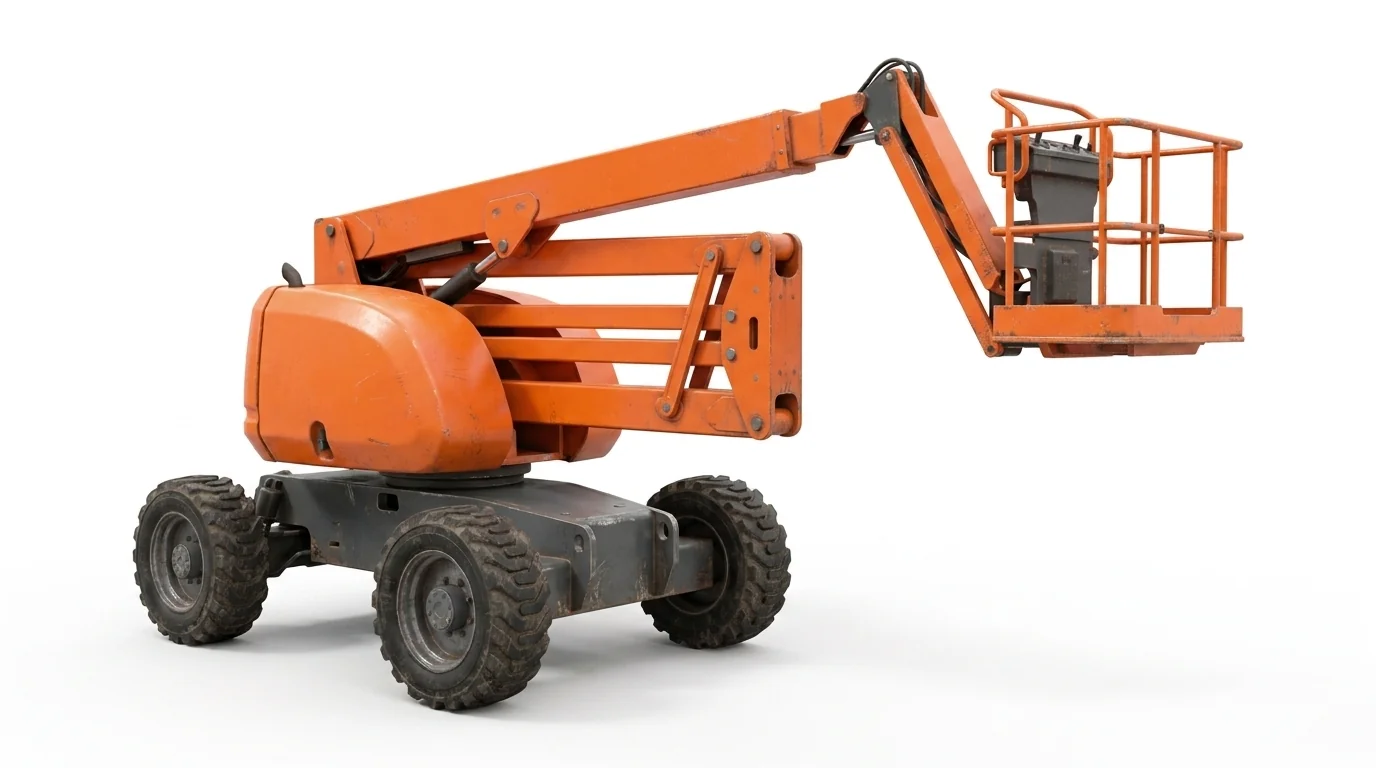
If the work point is recessed behind pipes or structural steel, an articulating boom’s multiple joints create horizontal reach plus vertical up-and-over capability. Measure: - Height to clear the obstruction - Horizontal setback from the base of the machine to the work point - Width of aisles or pipe racks the boom must snake through
Tight approach angles in local distribution buildings or process areas often push the choice toward shorter chassis units with generous up-and-over envelope rather than maximum platform height.
Baton Rouge site conditions that change the choice
- High heat and humidity: Electric and hybrid models reduce exhaust in enclosed processing areas, but thermal stress affects batteries and electronics. Plan for shaded staging where possible and verify duty cycles match the shift pattern.
- Saturated soils and level terraces: Outdoor work near laydown yards or drainage swales can demand rough‑terrain articulation with foam‑filled or rough‑terrain tires. Ground bearing pressure and pad size matter when setting up near soft shoulders.
- Corrosive atmospheres: Petrochemical maintenance favors booms with sealed electrics, corrosion‑resistant components, and non‑marking options for indoor mezzanines near sensitive product.
Narrow the category by envelope and surface
- Envelope: If the path requires clearing an obstacle then reaching back down, prioritize models with strong up‑and‑over height rather than the tallest platform rating.
- Turning radius and tail swing: Congested pipe alleys make tight tailswing and shorter wheelbase more valuable than top speed.
- Power source:
- Electric for indoor warehouses and covered loading where ventilation is limited; check battery endurance under Gulf Coast heat.
- Diesel or hybrid for yards and docks where grade and mud are factors.
- Tires and leveling: Rough‑terrain articulation helps when staging on wet aggregate or compacted fill; solid or foam‑filled tires resist puncture from yard debris.
Typical Baton Rouge use cases
- Up‑and‑over access for valve galleries and pipe bridges at industrial sites
- Canopy lighting and signage at deep‑dock warehousing
- Roofline repairs where the lift must clear parapets and mechanical screens
For long, unobstructed reaches, compare with straight booms at /telescopic-boom-lift-rental/. For slab‑only interior picks at lower heights, review /electric-scissor-lift-rental/.
Planning checklist before you call (225) 831-7966
- Maximum clearance height and setback distance
- Indoor vs. outdoor exposure and ventilation
- Ground condition: slab, compacted base, or saturated soils
- Width limits at gates, aisles, and between structures
- Anticipated runtime and charging access in the regional climate