Site approach and placement
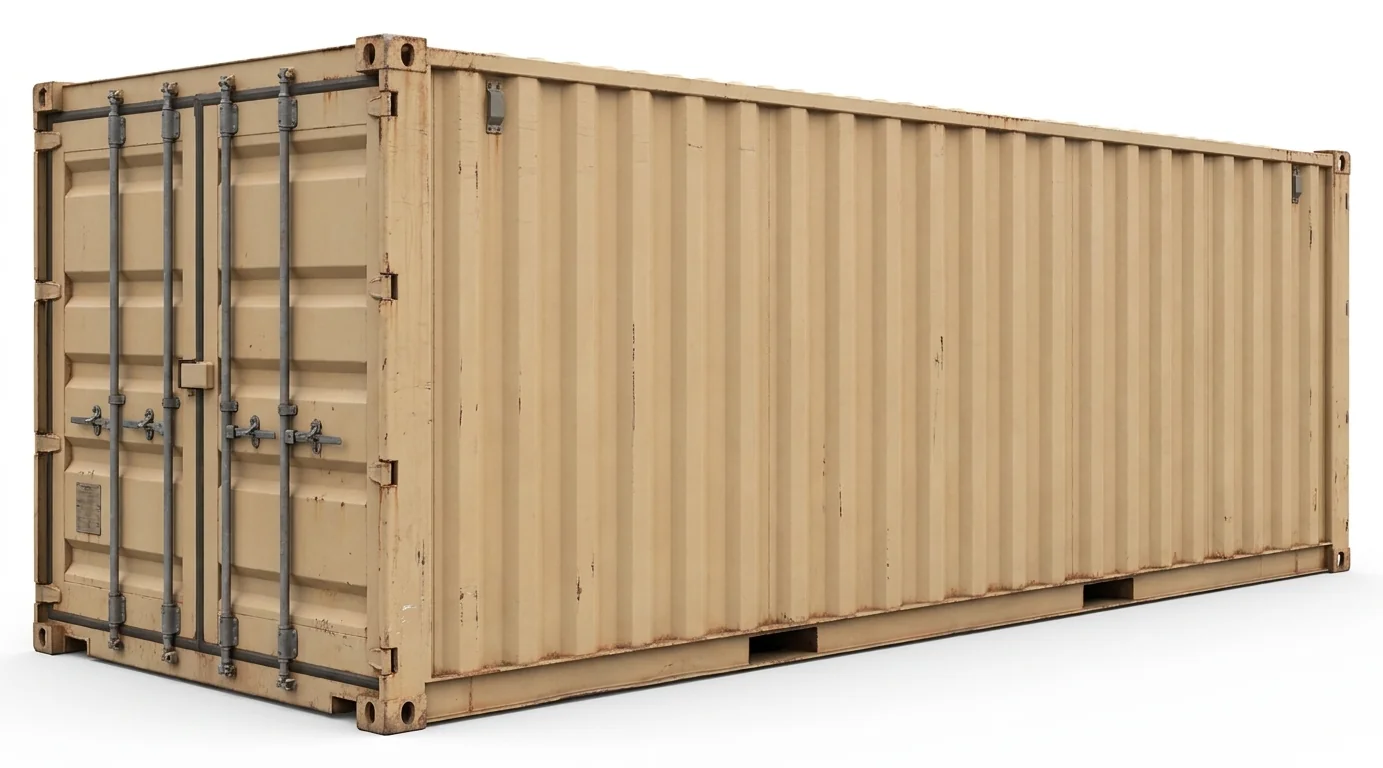
Route width, turning radius, and overhead clearance control whether a standard or shorter container makes sense. In tight yards or alongside active logistics lanes, a shorter unit can fit without blocking lift traffic from /forklift-rental/ or /telehandler-rental/.
- Map the delivery path, including any soft shoulders or drainage swales.
- Identify a level pad that won’t settle unevenly after rain.
- Consider door orientation relative to the work face.
Ground conditions and door function
Saturated soils and frequent precipitation can cause doors to rack if the base settles. A firm, level footprint preserves door swing and latch alignment. Where standing water collects, plan for a slightly elevated position to keep thresholds dry.
Interior environment and corrosion resistance
High humidity and temperature swings call for ventilation planning and moisture control. For tools, electrical components, and consumables used near petrochemical work, sealed storage and corrosion-aware shelving help preserve condition.
Handling and loading with lift equipment
Match container size with the equipment on site. If materials will be placed by /rough-terrain-scissor-lift-rental/ or /forklift-rental/, confirm aisle width and turning space in front of the doors. For long or awkward items, a wider door opening simplifies staging and reduces the number of moves.
Security and visibility in active yards
Containers often sit near high-traffic laydown areas. Visibility strips and exterior lighting from /generators-light-towers-rental/ can make night access safer. Keep lines of sight open where vehicle and pedestrian routes intersect.
When a different size helps
- Larger containers: central tool cribs for multi-trade work during plant maintenance windows.
- Compact containers: constrained warehouse corners or infill pads near loading docks.
Actual conditions, the selected unit’s instructions, and site procedures govern placement and use.