Map the route before picking a class
Identify the tightest aisle, lowest doorway, and steepest transition. Then note: - Load weight, dimensions, and center of gravity - Pallet type and rack beam heights - Turning radius needed around dock equipment and staging
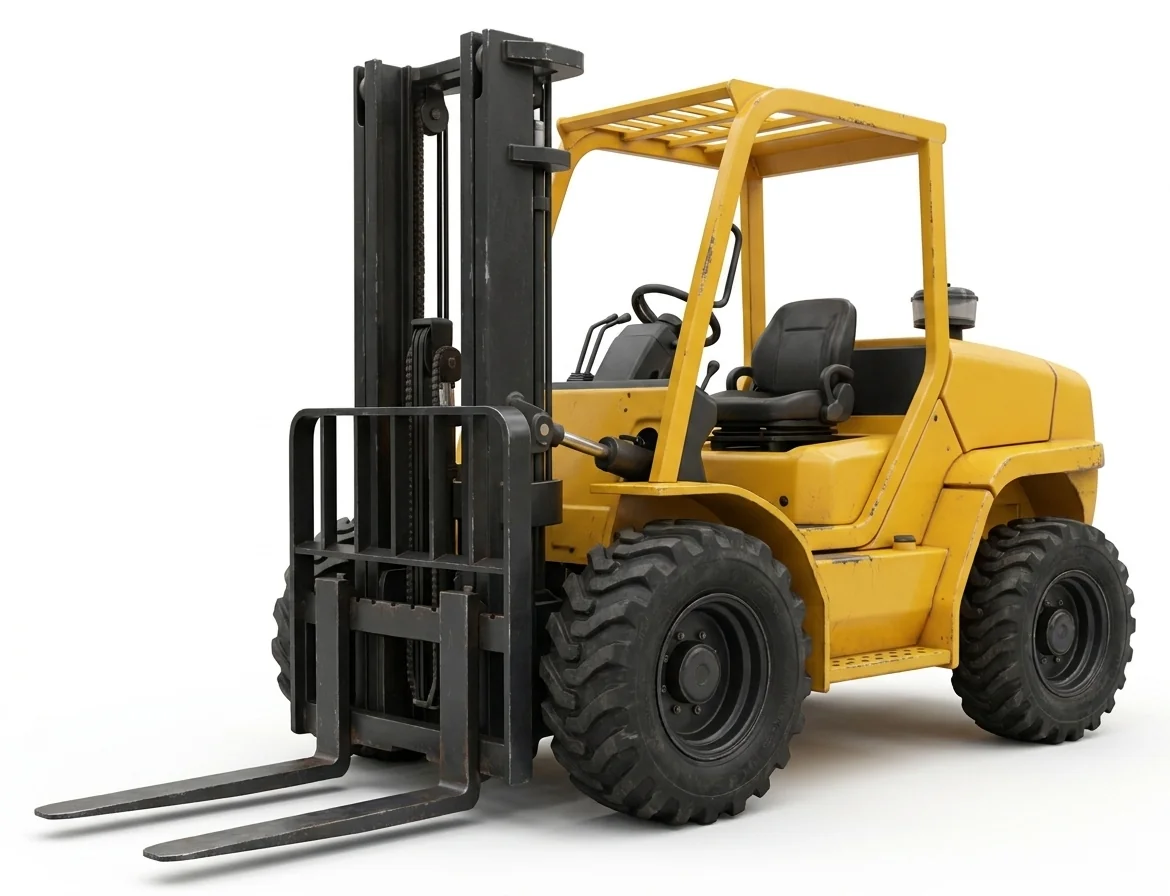
These details determine whether a sit‑down electric, cushion‑tire unit, or pneumatic‑tire forklift fits the job.
Local operating conditions that matter
- High humidity and heat: Electric forklifts inside local distribution buildings offer low emissions, but battery endurance can vary with temperature. Plan charging access that matches shift length.
- Slab to yard transitions: After rain, yards and dock aprons may stay wet. Pneumatic or solid pneumatics handle outdoor surfaces and debris better than cushion tires.
- Corrosive exposure: Industrial sites may prefer forklifts with sealed electrics and protective finishes for longer service life.
Narrow by power, tires, and mast
- Power:
- Electric for indoor racks and enclosed spaces
- Internal combustion for mixed indoor/outdoor with longer runs between fueling
- Tires:
- Cushion for smooth interior slab and tight aisles
- Pneumatic/solid pneumatic for rougher exterior areas and wet surfaces
- Mast and carriage: Triplex masts help with low doors and higher rack beams; side‑shift improves alignment on busy docks.
Typical Baton Rouge applications
- Cross‑docking and pallet handling at large warehouses
- Material moves between covered loading and outdoor yards in humid conditions
- Equipment staging where slab meets compacted aggregate
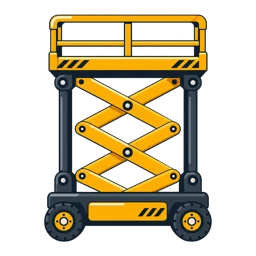
For elevated personnel access tasks, compare /vertical-mast-lift-rental/ or /electric-scissor-lift-rental/.
Planning checklist before you call (225) 831-7966
- Route constraints: doors, aisles, ramps
- Load specs: weight, dimensions, pallet type
- Surface: interior slab, dock plates, wet yard conditions
- Power and tire preference based on ventilation and terrain