Define the lift: weight, reach, and placement height
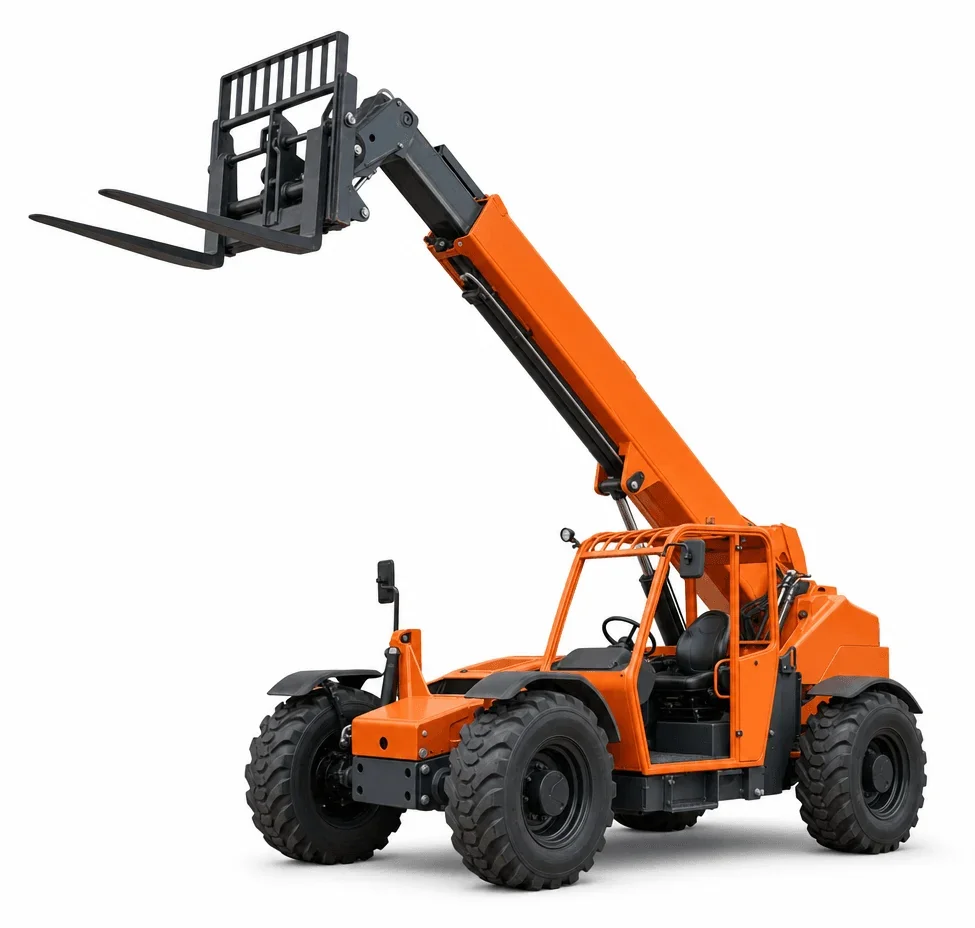
Start with the load’s actual weight and the distance from the fork face to its center of gravity. Then identify: - Maximum placement height and outreach from the front tires - Need for side‑shift or carriage tilt to align on racks or decks - Minimum turning room between materials, fencing, and laydown
A clear understanding of the load chart at your expected boom angle prevents over‑specifying or under‑specifying capacity.
Local site factors in Baton Rouge
- Wet, compacted soils: After rain, rough‑terrain tires and frame leveling become important for maintaining stability on softer pads and aggregate yards.
- Heat and humidity: Continuous exposure raises thermal load on hydraulics and transmissions. Plan fueling and cool‑down windows that match shift cycles.
- Industrial mix: Material handling often spans pipe, valves, and packaged equipment. Quick‑attach carriages and fork options can reduce changeover time between tasks.
Narrow by class and attachments
- Capacity class: Choose by the heaviest load at the longest required outreach, not peak height alone.
- Carriage: Standard carriage for pallets; side‑shift or tilt carriage for precise placement on racks or mezzanine edges.
- Turning and transport: Gate widths at warehouses and plant yards can dictate machine width and turning radius.
- Visibility and boom geometry: Low‑profile booms help in tight yards with pedestrian and truck traffic.
Typical Baton Rouge applications
- Staging pipe bundles onto racks in industrial yards
- Placing pallets and equipment onto elevated platforms or dock mezzanines
- Handling bulk materials across uneven laydown areas after heavy rain
If your task is personnel access rather than load placement, compare aerial options at /boom-lift-rental/ and /aerial-lift-rental/.
Planning checklist before you call (225) 831-7966
- Load weight, dimensions, and fork center
- Required placement height and outreach
- Ground conditions and turning space
- Carriage/feature needs like side‑shift or frame leveling